This article is educational and is not medical advice. For decisions about your health, screenings, or any medication, talk with a licensed clinician; for coverage decisions, review your plan documents and speak with your insurer.
If a checkup ever flagged your blood sugar as “borderline,” you have already met the subject, and prediabetes in men explained plainly is one of the most useful things you can read this year. Prediabetes means your blood sugar (the glucose your body uses for energy) is higher than normal but not yet high enough to be called type 2 diabetes. It is common, it usually has no obvious symptoms, and — this is the important part — it is often reversible with changes many men can actually make. Millions of American men have it and do not know. This guide explains what the condition is, the tests doctors use, the quiet warning signs, and the everyday steps that lower risk. It is educational, not a treatment plan, so use it to prepare for a conversation with your own clinician.
What prediabetes actually means
Your body turns much of the food you eat into glucose, and a hormone called insulin helps move that glucose from your blood into your cells for fuel. In prediabetes, this system starts to slip: cells respond less well to insulin (called insulin resistance), so glucose builds up in the blood at levels above normal but below the diabetes threshold. Think of it as a warning light on the dashboard rather than a breakdown. Left unaddressed, prediabetes raises the risk of progressing to type 2 diabetes and is also linked to heart and blood-vessel problems. The Centers for Disease Control and Prevention explains the condition and its scale in plain language at cdc.gov. The encouraging news is that catching it at this stage gives you real leverage, because the trend can often be slowed or reversed.
How doctors test for it
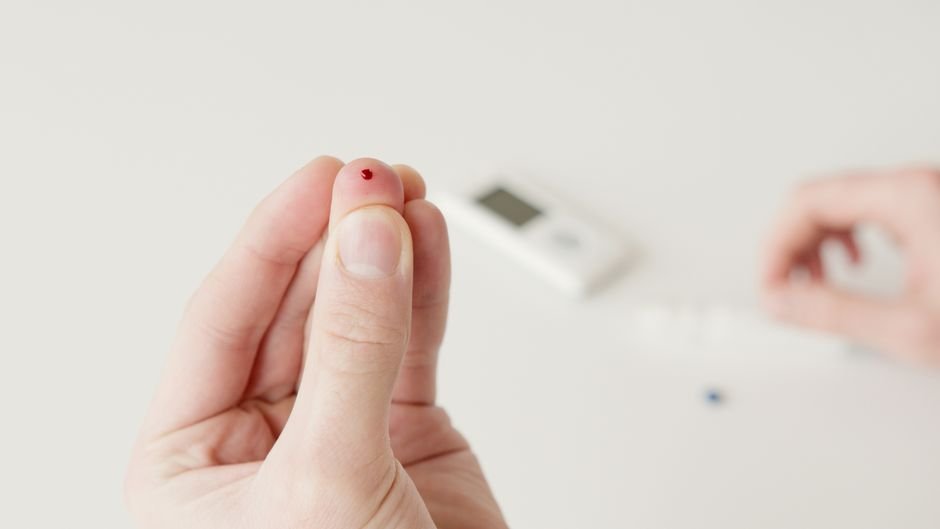
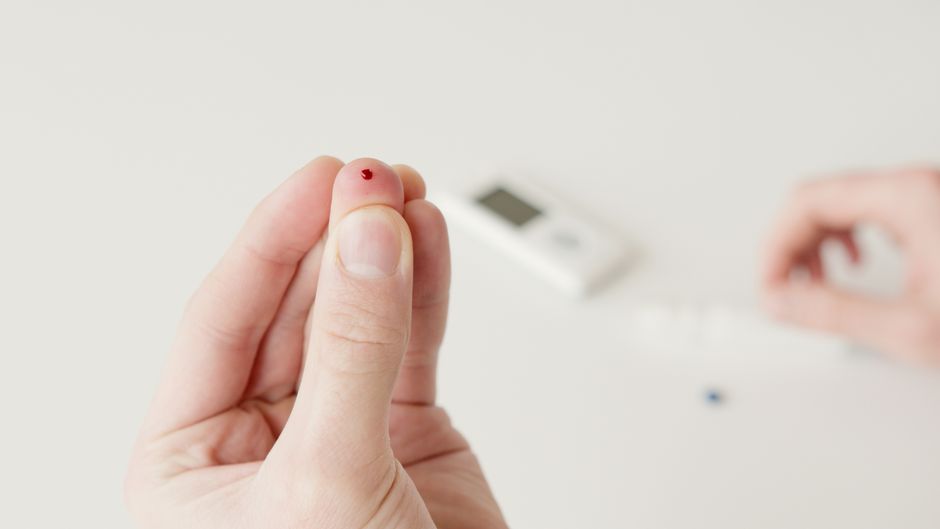
Prediabetes is diagnosed with a simple blood test, and there are a few common ones. The A1C test estimates your average blood sugar over the past two to three months in a single number. A fasting glucose test measures your blood sugar after you have not eaten overnight. Sometimes a glucose tolerance test, which checks how your body handles a sugary drink, is used. Each has a specific range that falls between normal and diabetes. Because these are routine labs, they are often part of a standard physical — one more reason not to skip it. Our guide to which screenings men need at each age covers when blood-sugar checks typically start. The National Library of Medicine describes what these tests involve at MedlinePlus. If a result comes back in the prediabetes range, your clinician will usually recommend confirming and then talking through next steps.
Why men often miss it
Prediabetes is sneaky because it typically causes no clear symptoms, which is exactly why so many men are surprised by the diagnosis. There is no pain, no obvious signal — just a number that drifts up over years. Men are also statistically less likely to attend regular checkups, so the one test that would catch it never gets ordered. When symptoms of higher blood sugar do appear, they can include increased thirst, more frequent urination, fatigue, or blurry vision, but by then blood sugar may already be well elevated. Some men also carry risk without realizing it: a family history of diabetes, extra weight around the midsection, high blood pressure, or physical inactivity all raise the odds. This is where showing up matters. The same visit that checks your blood sugar can also cover your blood pressure numbers, which often travel alongside metabolic risk.

Who is most at risk
Certain factors make prediabetes more likely, and knowing yours helps you decide whether to ask for testing. Risk tends to rise with age, with a family history of type 2 diabetes, with carrying excess weight (especially around the belly), and with a sedentary routine. High blood pressure, abnormal cholesterol, and a history of certain conditions add to the picture. Some racial and ethnic groups face higher risk as well. None of this is destiny — risk factors are signals to pay attention, not sentences. Because prediabetes sits at the front door of the deeper diabetes story, it is worth understanding the full metabolic picture; our companion coverage on the diabetes and metabolic-health vertical goes further into how type 2 diabetes develops and is managed day to day. If several risk factors apply to you, that is a good reason to raise blood-sugar testing at your next visit rather than waiting for symptoms that may never come.
How prediabetes is managed
The centerpiece of managing prediabetes is lifestyle change, and the evidence behind it is strong. Large studies show that modest, sustained changes — moving more, eating better, and losing a relatively small amount of weight if you carry extra — can substantially cut the chance of progressing to type 2 diabetes. Regular physical activity helps your cells use insulin more effectively. Building meals around vegetables, whole grains, lean protein, and less sugary drink and refined starch supports steadier blood sugar. Better sleep and less chronic stress play supporting roles too. The CDC runs a structured lifestyle-change program, the National Diabetes Prevention Program, described at cdc.gov. For some men, a clinician may also discuss medication, but that is an individual decision your doctor makes with you — this article names no drugs or doses. The through-line is that small, consistent habits, kept up over time, do the heavy lifting.

What to ask your doctor
A short list keeps the appointment productive:
- What exactly were my A1C or fasting glucose numbers, and where do they fall?
- Given my risk factors, how often should I be retested?
- What realistic changes would make the biggest difference for me?
- Is a structured prevention program available in my area or through my plan?
- Should we also check my blood pressure and cholesterol while we are at it?
- Are any of my current medications or conditions affecting my blood sugar?
Writing your numbers down and tracking them over time turns an abstract worry into something you can actually manage. It also makes the next visit faster and more focused.
What it costs and how coverage works
Costs depend on your plan, so this article does not quote prices. Under the Affordable Care Act, many preventive services are covered by most plans at no out-of-pocket cost when you use an in-network provider, and blood-sugar screening for adults with certain risk factors is among the recommended preventive services. You can review which preventive services are commonly covered at healthcare.gov. The CDC’s National Diabetes Prevention Program is covered by Medicare for eligible people and by some other plans as well. Coverage rules vary, so confirm the specifics with your insurer before a visit. If you buy your own coverage, our guide to health insurance when you work for yourself explains how marketplace plans handle preventive care.
When to talk to a doctor
If it has been a while since your last physical, or if you have risk factors like a family history of diabetes or extra weight around the middle, that alone is reason enough to book a visit and ask about blood-sugar testing. If you notice increased thirst, frequent urination, unexplained fatigue, or blurry vision, mention them promptly, since these can signal blood sugar that is already high. Prediabetes is one of the most actionable diagnoses in medicine — caught early, it responds to exactly the kind of changes most men can start on their own terms.
The practical next step is to get your number. Book the checkup, ask for a blood-sugar test, and if it lands in the prediabetes range, treat it as an early, fixable warning rather than a failure. The strongest thing a guy can do for his health is show up for the checkup he keeps postponing.
Disclaimer: This article is for informational purposes only and does not constitute medical, insurance, or financial advice, diagnosis, or treatment. Screening recommendations, treatments, coverage, costs, and eligibility rules vary by person, by plan, by state, and over time, and change frequently. Never start, stop, or change any medication — including testosterone — without your prescriber. Always confirm current details with your insurer or the official program (Medicare.gov, your state Medicaid office, HealthCare.gov), and consult a licensed clinician about your individual health. If you think you may have a medical emergency, call 911 or go to the nearest emergency room.